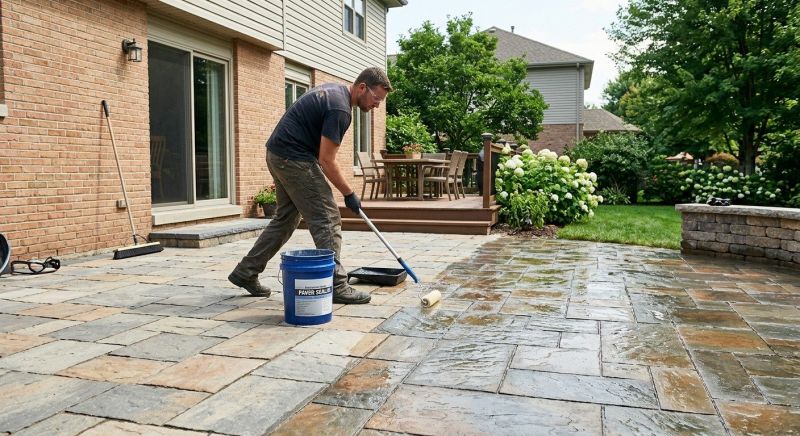
Courtyard Sealing in Kitsap County, WA
Courtyard sealing services involve applying a protective coating to outdoor paved surfaces, such as concrete or stone patios, walkways, and courtyards. This process helps to prevent damage from water penetration, staining, and the effects of weathering, extending the lifespan and appearance of the surface. Property owners often seek this service to maintain a clean, uniform look, reduce maintenance needs, and protect their investment from cracks, erosion, and discoloration over time.
Before requesting courtyard sealing, homeowners typically want to understand the types of sealants used, the suitability for their specific surface materials, and any preparation steps required beforehand. It’s also helpful to know how often sealing should be reapplied to maintain optimal protection, as well as any potential impact on the surface’s appearance or traction. Proper sealing can enhance curb appeal while helping to preserve outdoor spaces against the elements.
Many property owners in Kitsap County, WA look into Courtyard Sealing for repairs, replacements, upgrades, and appearance-related improvements.
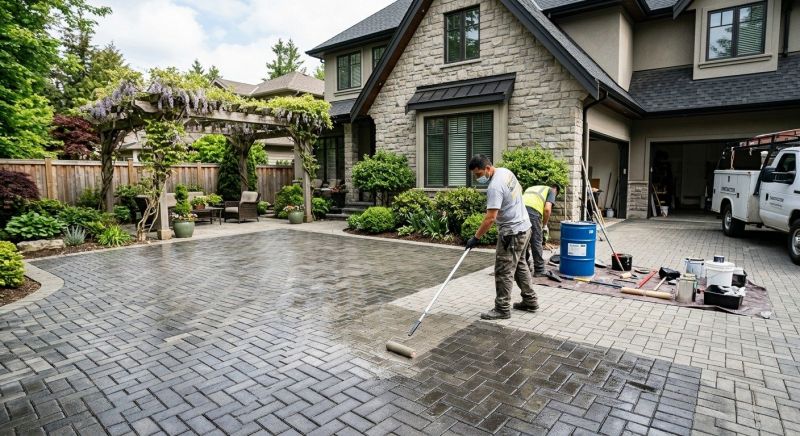
Protecting Your Courtyard
Sealing helps prevent water damage and extends the lifespan of your courtyard surfaces.
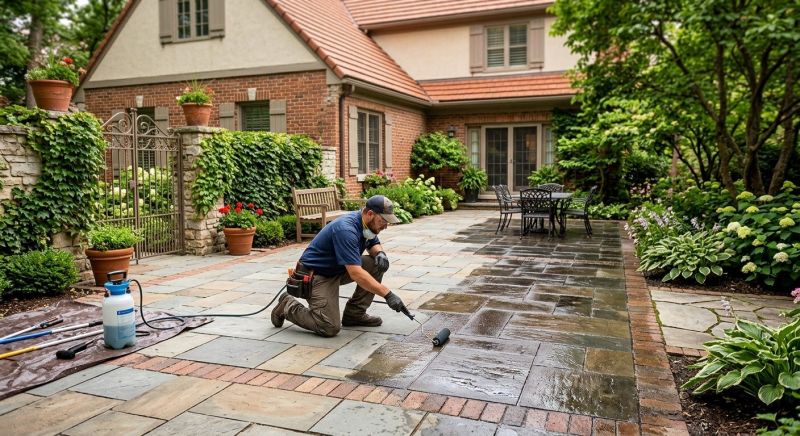
Enhancing Appearance And Safety
A properly sealed courtyard maintains its appearance and reduces the risk of cracks and uneven surfaces.
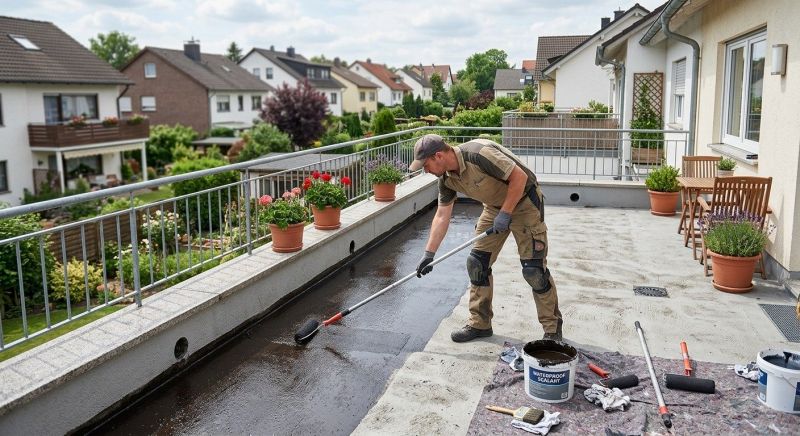
Suitable For Various Materials
Courtyard sealing services are effective on concrete, pavers, and stone surfaces common in kitsap county homes.
Courtyard Sealing in Kitsap County, WA

Courtyard sealing services involve applying a protective coating to outdoor paved surfaces, such as concrete or stone patios, walkways, and courtyards. This process helps to prevent damage from water penetration, staining, and the effects of weathering, extending the lifespan and appearance of the surface. Property owners often seek this service to maintain a clean, uniform look, reduce maintenance needs, and protect their investment from cracks, erosion, and discoloration over time.
Before requesting courtyard sealing, homeowners typically want to understand the types of sealants used, the suitability for their specific surface materials, and any preparation steps required beforehand. It’s also helpful to know how often sealing should be reapplied to maintain optimal protection, as well as any potential impact on the surface’s appearance or traction. Proper sealing can enhance curb appeal while helping to preserve outdoor spaces against the elements.
Many property owners in Kitsap County, WA look into Courtyard Sealing for repairs, replacements, upgrades, and appearance-related improvements.
Common Courtyard Sealing Jobs
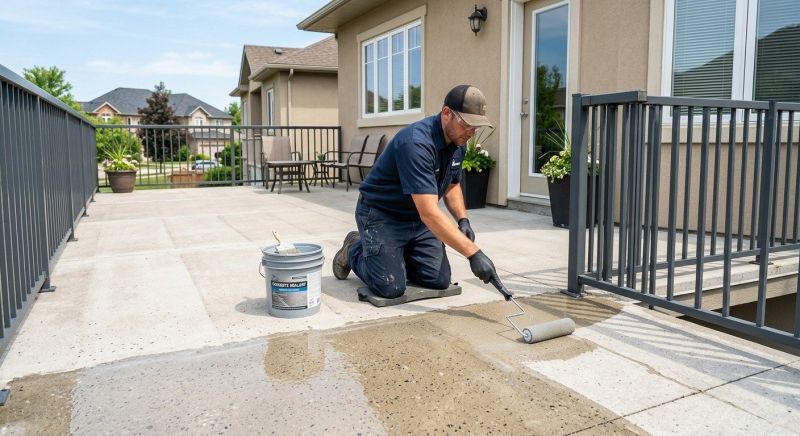
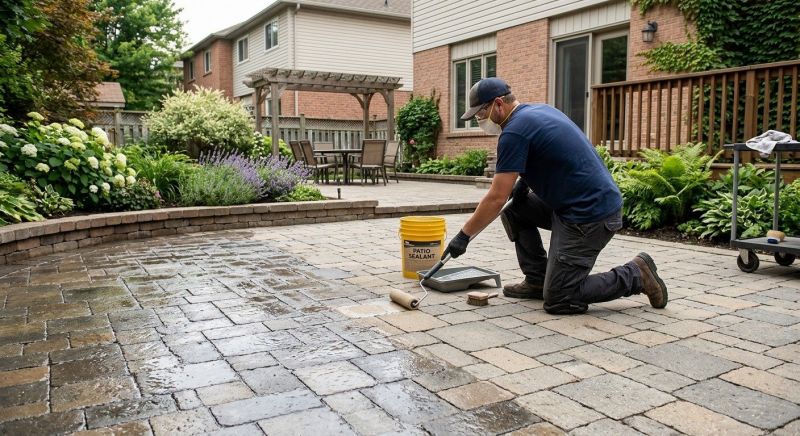
Patio sealing - protects concrete surfaces from stains, moisture, and wear.
Driveway sealing - enhances durability and prevents cracking on asphalt and concrete driveways.
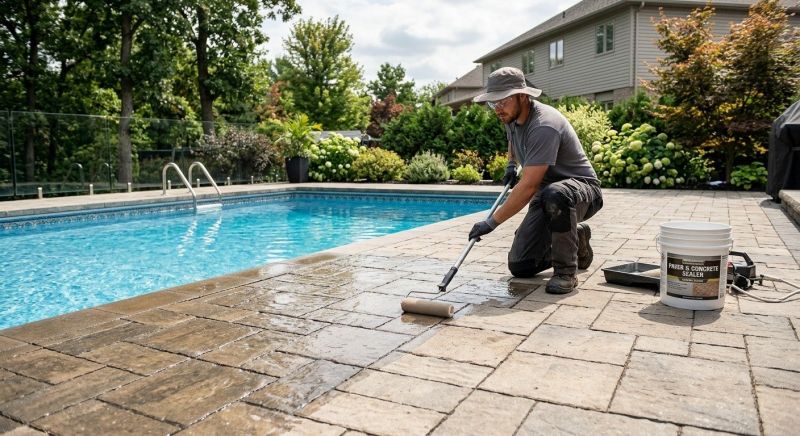
Pool deck sealing - seals surfaces to reduce water penetration and maintain safety.
Walkway sealing - preserves the appearance and extends the lifespan of outdoor pathways.
Stamped concrete sealing - preserves decorative patterns and vibrant colors on stamped surfaces.
Garage floor sealing - safeguards concrete floors against spills, stains, and surface damage.
Courtyard Sealing Questions
What is courtyard sealing? Courtyard sealing involves applying a protective coating to surfaces like concrete or stone to prevent damage from water, stains, and wear.
Why should property owners consider sealing a courtyard? Sealing helps extend the lifespan of courtyard surfaces, maintains appearance, and reduces maintenance needs over time.
Which types of courtyard surfaces can be sealed? Many surfaces such as concrete, pavers, and natural stone can be sealed to improve durability and appearance.
How often should a courtyard be resealed? Reapplication is typically recommended every few years to ensure continued protection and optimal look.
Request Courtyard Sealing in Kitsap County, WA
Use the quote form on this page to share the basics of your project and request more information for the type of work you need.